You may think that you’re being eco-friendly, but the resources that you are using may not be as eco-friendly as you may think.
Surprisingly most of the forests in the United States are natural, the factors that influence these forests are precipitation and temperature in the area where the forest is located. Plantation forests are a different kind of forest where they are planted and managed by humans for the intent of maximizing the production of wood. These plantation forests create a small percentage of the United States forest population. Although these plantation forests are not natural they do produce wood up to 10 times as much wood per hectare than natural forests.
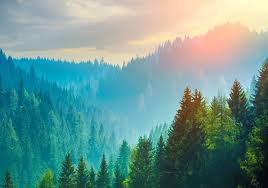
Ownership of forests is also an interesting topic when looking at these natural forests versus plantation forests. 🌳 Ownership of these forests is important because the management rules for keeping up with these forests are mandatory for public forests in the United States. 37% of forests have been found to be on government land which means they have to abide by the rules of the government on how to maintain and upkeep their forests. Majority of forests in the United States are privately owned so they don’t have to listen to the rules by the government.
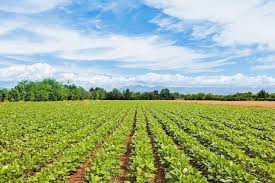
Farmland is taking up a large part of the United States. Farmland is taking up 34% of the total land in the U.S. this is equivalent to the combined areas of both South America and Africa.
The process of getting forest certification can be very difficult. There are three different kinds of certification.
- Type I: third party certified independent organization
- Type II: Self declared and publish standards
- Type III: Life cycle assessment
 Consumption, resources, and the environment: What you need to know